Buy massimodutti.eu ?
We are moving the project
massimodutti.eu .
Are you interested in purchasing the domain
massimodutti.eu ?
domain@kv-gmbh.de · 0541-91531010
Buy massimodutti.eu ?
What is the difference between "hay que" and "tener que"?
"Hay que" and "tener que" both express the idea of necessity, but they are used in slightly different contexts. "Hay que" is used to express a general obligation or necessity, often referring to a rule, law, or social norm. For example, "Hay que estudiar para tener buenas notas" (One must study to get good grades). On the other hand, "tener que" is used to express a specific obligation or necessity that is related to a particular person or situation. For example, "Tengo que terminar este informe antes de la reunión" (I have to finish this report before the meeting). **
What is the difference between autant que and aussi que?
The main difference between "autant que" and "aussi que" is their usage in comparisons. "Autant que" is used to express equality in comparisons, meaning "as much as" or "as many as." For example, "Il mange autant que moi" (He eats as much as I do). On the other hand, "aussi que" is used to express similarity in comparisons, meaning "as... as." For example, "Elle est aussi belle que sa mère" (She is as beautiful as her mother). Therefore, "autant que" is used for equality, while "aussi que" is used for similarity in comparisons. **
Similar search terms for Que
Top-Angebote
Products related to Que:
-
Que Rico Fuego Floral Rodrigo VaseThis Que Rico Vase Rodrigo - Fuego Floral is perfect for displaying beautiful fresh flowers or a more permanent dried flower arrangement. Inspired by Spanish lifestyle this Fuego Floral pattern features a combo of pink and orange in a fun wavy design with matching orange handles. Handmade and hand painted for a truly unique finish, this vase also makes the perfect gift with the gift packaging included. Dimensions: 24.5(H) x 13(W) x 21(L)cm.48,00 £*Shipping: 3,50 £Secure redirect to the provider
-
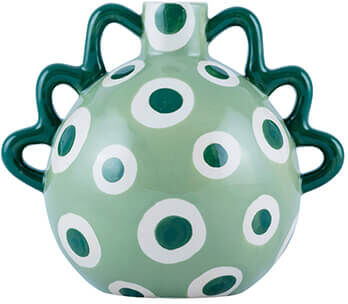
Que Rico Dancing Dots Isidora VaseThis Que Rico Vase Isidora - Dancing Dots is perfect for displaying beautiful fresh flowers or a more permanent dried flower arrangement. Inspired by Spanish lifestyle this Dancing Dots pattern features a colourful and bold design in green and white with a pair of wavy and stylish handles in green. Handmade and hand painted for a truly unique finish, this vase also makes the perfect gift with the gift packaging included. Dimensions: 16.5(H) x 15(W) x 20(L)cm.20,00 £*Shipping: 3,50 £Secure redirect to the provider
-
Que Rico Sol Y Sombra Isla VaseThis Que Rico Vase Isla - Sol Y Sombra is perfect for displaying beautiful fresh flowers or a more permanent dried flower arrangement. Inspired by Spanish lifestyle this colourful Sol Y Sambra pattern adds a ray of sunshine to your home. Handmade and hand painted for a truly unique finish, this vase also makes the perfect gift with the gift packaging included. Dimensions: 28(H) x 18(W) x 18(L)cm.50,40 £*Shipping: 0,00 £Secure redirect to the provider
-
Que Rico Rayas Bailarinas Yellow Elisa VaseThis Que Rico Vase Elisa - Rayas Bailarinas is perfect for displaying beautiful fresh flowers or a more permanent dried flower arrangement. Inspired by Spanish lifestyle this Rayas Bailarinas pattern features strong yellow stripes with a combo of multicoloured fun handles. Handmade and hand painted for a truly unique finish, this vase also makes the perfect gift with the gift packaging included. Dimensions: 27(H) x 13.5(W) x 24.5(L)cm.35,00 £*Shipping: 3,50 £Secure redirect to the provider



-
How do you know when to use "tener que" or "hay que"?
"Tener que" is used when referring to a specific person or group of people who have an obligation or necessity to do something. For example, "Tengo que estudiar" (I have to study). On the other hand, "Hay que" is used when talking about a general obligation or necessity that applies to everyone. For example, "Hay que respetar las reglas" (One must respect the rules). So, the choice between "tener que" and "hay que" depends on whether the obligation is specific to an individual or more general. **
-
When is the subjunctive used with pienso que and no pienso que?
The subjunctive is used with "pienso que" when there is doubt, uncertainty, or subjectivity in the statement that follows. For example, "No pienso que venga a la fiesta" (I don't think he is coming to the party). In this case, the subjunctive "venga" is used because there is doubt about whether he will come. However, when there is certainty or a fact stated after "pienso que," the indicative mood is used. For example, "Pienso que ella viene a la fiesta" (I think she is coming to the party). **
-
What is the difference between ce que qui and nur que qui?
"Ce que" and "qui" are used in French to introduce relative clauses, while "nur que" and "qui" are used in German. In French, "ce que" is used to introduce a relative clause that functions as the direct object of the main clause, while "qui" is used to introduce a relative clause that functions as the subject of the main clause. In German, "nur que" is used to introduce a relative clause that functions as the direct object of the main clause, while "qui" is used to introduce a relative clause that functions as the subject of the main clause. **
-
What is the difference in Spanish between "ojalá que" and "espero que"?
The main difference between "ojalá que" and "espero que" in Spanish is the level of certainty or hope expressed. "Ojalá que" is used to express a wish or hope for something to happen, but with a sense of uncertainty or doubt about whether it will actually happen. On the other hand, "espero que" is used to express a hope or expectation for something to happen, with a stronger sense of confidence or belief that it will actually occur. In summary, "ojalá que" conveys a more uncertain hope, while "espero que" conveys a more confident hope. **


What does "qu'est-ce que" and "est-ce que" mean in French?
"Qu'est-ce que" means "what" in French and is used to form a question. For example, "Qu'est-ce que tu fais?" means "What are you doing?" On the other hand, "est-ce que" is a way to form a yes/no question in French. For example, "Est-ce que tu viens?" means "Are you coming?" **
How do you switch between "tienes que" and "hay que" in Spanish?
In Spanish, "tienes que" and "hay que" both express the idea of "have to" or "must." "Tienes que" is used when the subject of the sentence is specified, indicating that someone specific has to do something. On the other hand, "hay que" is used when the subject is not specified, indicating that something must be done in general. For example, "Tienes que estudiar" means "You have to study," while "Hay que estudiar" means "One must study" or "It is necessary to study." **
Top-Angebote
Products related to Que:
-
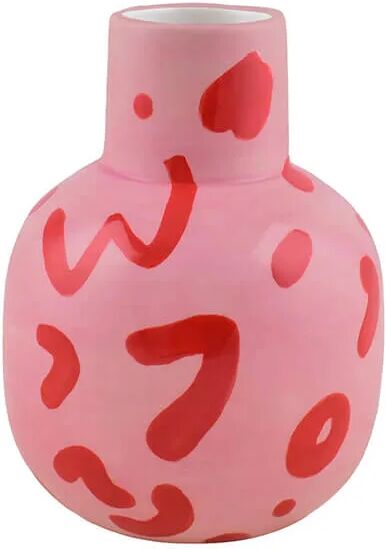
Que Rico Leopardo Lindo Rosita VaseThis Que Rico Vase Rosita - Leopardo Lindo is perfect for displaying beautiful fresh flowers or a more permanent dried flower arrangement. Inspired by Spanish lifestyle this colourful Leopardo Lindo pattern adds a pop of colour to your home with this vibrant red and pink combination. Handmade and hand painted for a truly unique finish, this vase also makes the perfect gift with the gift packaging included. Dimensions: 16(H) x 11.5(W) x 11.5(L)cm.17,60 £*Shipping: 3,50 £Secure redirect to the provider
-
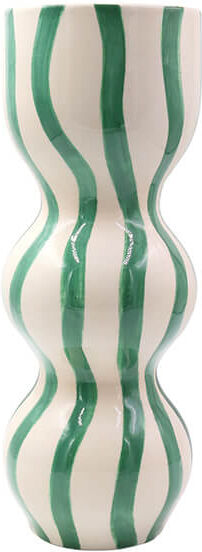
Que Rico Rayas Bailarinas Raquel VaseThis Que Rico Vase Raquel - Rayas Bailarinas is perfect for displaying beautiful fresh flowers or a more permanent dried flower arrangement. Inspired by Spanish lifestyle this colourful Rayas Bailarinas pattern adds a warm and inviting look to your home with the gentle green lines against the beautiful curves of the vase. Handmade and hand painted for a truly unique finish, this vase also makes the perfect gift with the gift packaging included. Dimensions: 34.5(H) x 14(W) x 14(L)cm.52,00 £*Shipping: 0,00 £Secure redirect to the provider
-
Que Rico Fuego Floral Rodrigo VaseThis Que Rico Vase Rodrigo - Fuego Floral is perfect for displaying beautiful fresh flowers or a more permanent dried flower arrangement. Inspired by Spanish lifestyle this Fuego Floral pattern features a combo of pink and orange in a fun wavy design with matching orange handles. Handmade and hand painted for a truly unique finish, this vase also makes the perfect gift with the gift packaging included. Dimensions: 24.5(H) x 13(W) x 21(L)cm.48,00 £*Shipping: 3,50 £Secure redirect to the provider
-
Que Rico Dancing Dots Isidora VaseThis Que Rico Vase Isidora - Dancing Dots is perfect for displaying beautiful fresh flowers or a more permanent dried flower arrangement. Inspired by Spanish lifestyle this Dancing Dots pattern features a colourful and bold design in green and white with a pair of wavy and stylish handles in green. Handmade and hand painted for a truly unique finish, this vase also makes the perfect gift with the gift packaging included. Dimensions: 16.5(H) x 15(W) x 20(L)cm.20,00 £*Shipping: 3,50 £Secure redirect to the provider
-
What is the difference between "hay que" and "tener que"?
"Hay que" and "tener que" both express the idea of necessity, but they are used in slightly different contexts. "Hay que" is used to express a general obligation or necessity, often referring to a rule, law, or social norm. For example, "Hay que estudiar para tener buenas notas" (One must study to get good grades). On the other hand, "tener que" is used to express a specific obligation or necessity that is related to a particular person or situation. For example, "Tengo que terminar este informe antes de la reunión" (I have to finish this report before the meeting). **
-
What is the difference between autant que and aussi que?
The main difference between "autant que" and "aussi que" is their usage in comparisons. "Autant que" is used to express equality in comparisons, meaning "as much as" or "as many as." For example, "Il mange autant que moi" (He eats as much as I do). On the other hand, "aussi que" is used to express similarity in comparisons, meaning "as... as." For example, "Elle est aussi belle que sa mère" (She is as beautiful as her mother). Therefore, "autant que" is used for equality, while "aussi que" is used for similarity in comparisons. **
-
How do you know when to use "tener que" or "hay que"?
"Tener que" is used when referring to a specific person or group of people who have an obligation or necessity to do something. For example, "Tengo que estudiar" (I have to study). On the other hand, "Hay que" is used when talking about a general obligation or necessity that applies to everyone. For example, "Hay que respetar las reglas" (One must respect the rules). So, the choice between "tener que" and "hay que" depends on whether the obligation is specific to an individual or more general. **
-
When is the subjunctive used with pienso que and no pienso que?
The subjunctive is used with "pienso que" when there is doubt, uncertainty, or subjectivity in the statement that follows. For example, "No pienso que venga a la fiesta" (I don't think he is coming to the party). In this case, the subjunctive "venga" is used because there is doubt about whether he will come. However, when there is certainty or a fact stated after "pienso que," the indicative mood is used. For example, "Pienso que ella viene a la fiesta" (I think she is coming to the party). **
Similar search terms for Que
-
Que Rico Sol Y Sombra Isla VaseThis Que Rico Vase Isla - Sol Y Sombra is perfect for displaying beautiful fresh flowers or a more permanent dried flower arrangement. Inspired by Spanish lifestyle this colourful Sol Y Sambra pattern adds a ray of sunshine to your home. Handmade and hand painted for a truly unique finish, this vase also makes the perfect gift with the gift packaging included. Dimensions: 28(H) x 18(W) x 18(L)cm.50,40 £*Shipping: 0,00 £Secure redirect to the provider
-
Que Rico Rayas Bailarinas Yellow Elisa VaseThis Que Rico Vase Elisa - Rayas Bailarinas is perfect for displaying beautiful fresh flowers or a more permanent dried flower arrangement. Inspired by Spanish lifestyle this Rayas Bailarinas pattern features strong yellow stripes with a combo of multicoloured fun handles. Handmade and hand painted for a truly unique finish, this vase also makes the perfect gift with the gift packaging included. Dimensions: 27(H) x 13.5(W) x 24.5(L)cm.35,00 £*Shipping: 3,50 £Secure redirect to the provider
-
Que Rico Amor Del Color Pink/Maroon Camila VaseThis Que Rico Vase Camila - Amor Del Color Pink/Maroon is perfect for displaying beautiful fresh flowers or a more permanent dried flower arrangement. Inspired by Spanish lifestyle this Amor Del Color pattern features a combo of pink and red in a funky twisted design. Handmade and hand painted for a truly unique finish, this vase also makes the perfect gift with the gift packaging included. Dimensions: 19.5(H) x 13.5(W) x 13.5(L)cm.33,00 £*Shipping: 3,50 £Secure redirect to the provider
-
Que Rico Amor Del Color Green/White Camila VaseThis Que Rico Vase Camila - Amor Del Color Green/White is perfect for displaying beautiful fresh flowers or a more permanent dried flower arrangement. Inspired by Spanish lifestyle this Amor Del Color pattern features a combo of green and white in a funky twisted design. Handmade and hand painted for a truly unique finish, this vase also makes the perfect gift with the gift packaging included. Dimensions: 19.5(H) x 13.5(W) x 13.5(L)cm.33,00 £*Shipping: 3,50 £Secure redirect to the provider
-
What is the difference between ce que qui and nur que qui?
"Ce que" and "qui" are used in French to introduce relative clauses, while "nur que" and "qui" are used in German. In French, "ce que" is used to introduce a relative clause that functions as the direct object of the main clause, while "qui" is used to introduce a relative clause that functions as the subject of the main clause. In German, "nur que" is used to introduce a relative clause that functions as the direct object of the main clause, while "qui" is used to introduce a relative clause that functions as the subject of the main clause. **
-
What is the difference in Spanish between "ojalá que" and "espero que"?
The main difference between "ojalá que" and "espero que" in Spanish is the level of certainty or hope expressed. "Ojalá que" is used to express a wish or hope for something to happen, but with a sense of uncertainty or doubt about whether it will actually happen. On the other hand, "espero que" is used to express a hope or expectation for something to happen, with a stronger sense of confidence or belief that it will actually occur. In summary, "ojalá que" conveys a more uncertain hope, while "espero que" conveys a more confident hope. **
-
What does "qu'est-ce que" and "est-ce que" mean in French?
"Qu'est-ce que" means "what" in French and is used to form a question. For example, "Qu'est-ce que tu fais?" means "What are you doing?" On the other hand, "est-ce que" is a way to form a yes/no question in French. For example, "Est-ce que tu viens?" means "Are you coming?" **
-
How do you switch between "tienes que" and "hay que" in Spanish?
In Spanish, "tienes que" and "hay que" both express the idea of "have to" or "must." "Tienes que" is used when the subject of the sentence is specified, indicating that someone specific has to do something. On the other hand, "hay que" is used when the subject is not specified, indicating that something must be done in general. For example, "Tienes que estudiar" means "You have to study," while "Hay que estudiar" means "One must study" or "It is necessary to study." **
* All prices are inclusive of VAT and, if applicable, plus shipping costs. The offer information is based on the details provided by the respective shop and is updated through automated processes. Real-time updates do not occur, so deviations can occur in individual cases. ** Note: Parts of this content were created by AI.