Buy massimodutti.eu ?
We are moving the project
massimodutti.eu .
Are you interested in purchasing the domain
massimodutti.eu ?
domain@kv-gmbh.de · 0541-91531010
Buy massimodutti.eu ?
Green rust or patina?
Green rust and patina are both terms used to describe the greenish layer that forms on the surface of certain metals, such as copper and bronze, due to oxidation. While green rust specifically refers to a type of iron oxide that forms on iron surfaces, patina is a more general term used to describe the natural aging and weathering process that creates a greenish film on metals. Both green rust and patina can be considered aesthetically pleasing and can provide protection to the underlying metal from further corrosion. **
How does patina form on plastic?
Patina on plastic forms through a process called oxidation. When plastic is exposed to sunlight, air, and moisture over time, the surface molecules break down and react with oxygen, causing a chemical change that results in a discoloration or yellowing of the plastic. This process is similar to how patina forms on metals, but in the case of plastic, it is a degradation of the material rather than a buildup of a protective layer. **
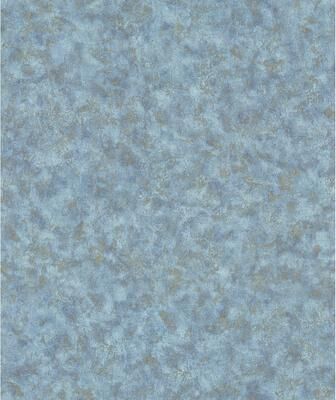

Similar search terms for Advantage-Aged-Patina-Turquoise
Top-Angebote
Products related to Advantage-Aged-Patina-Turquoise:
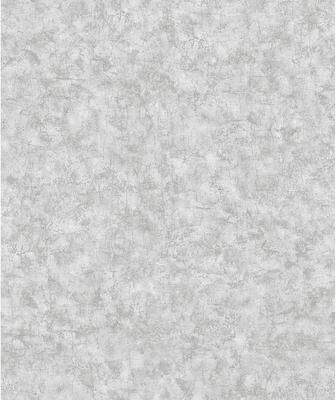



-
What are the gemstones Mohave Turquoise and Purple Turquoise?
Mohave Turquoise and Purple Turquoise are both types of treated or enhanced turquoise gemstones. Mohave Turquoise is created by treating natural turquoise with a bronze metal to give it a metallic sheen and a unique, vibrant color. Purple Turquoise, on the other hand, is created by treating natural turquoise with a dye to achieve a purple hue. Both gemstones are popular for use in jewelry and have unique, eye-catching appearances. **
-
What results from mixing turquoise and pink, or blue and turquoise?
Mixing turquoise and pink will result in a shade of purple, as pink is a lighter shade of red and when combined with turquoise, which is a mix of blue and green, it will create a purple hue. On the other hand, mixing blue and turquoise will result in a slightly darker shade of blue, as turquoise is a mix of blue and green, and combining it with blue will intensify the blue color. **
-
'What goes with turquoise?'
Turquoise pairs well with a variety of colors, including white, black, gray, and navy blue. It also complements earthy tones such as brown, tan, and olive green. Additionally, turquoise can be paired with other bright and bold colors like coral, pink, and yellow for a vibrant and energetic look. When choosing complementary colors for turquoise, it's important to consider the overall mood and style you want to achieve. **
-
What does patina look like on Bankirai wood?
Patina on Bankirai wood appears as a natural greyish or silvery color that develops over time due to exposure to the elements. It can also have a slightly weathered or aged appearance, giving the wood a unique and rustic look. The patina on Bankirai wood adds character and charm to the material, making it a popular choice for outdoor furniture and decking. **

How can I clean my teapot completely of patina?
To completely clean your teapot of patina, you can try using a mixture of equal parts water and white vinegar. Fill the teapot with the solution and let it sit for a few hours or overnight. Then, scrub the inside of the teapot with a soft brush or sponge to remove the patina. Rinse thoroughly with water afterwards. If the patina is stubborn, you can also try using a paste made of baking soda and water to scrub the inside of the teapot. **
How can I completely clean my teapot of patina?
To completely clean your teapot of patina, you can try using a mixture of equal parts vinegar and water to soak the teapot for a few hours. After soaking, scrub the teapot with a soft sponge or brush to remove the patina. You can also try using a paste made of baking soda and water to scrub away any remaining patina. Rinse the teapot thoroughly with water after cleaning to ensure all residue is removed. **
Top-Angebote
Products related to Advantage-Aged-Patina-Turquoise:
-
Green rust or patina?
Green rust and patina are both terms used to describe the greenish layer that forms on the surface of certain metals, such as copper and bronze, due to oxidation. While green rust specifically refers to a type of iron oxide that forms on iron surfaces, patina is a more general term used to describe the natural aging and weathering process that creates a greenish film on metals. Both green rust and patina can be considered aesthetically pleasing and can provide protection to the underlying metal from further corrosion. **
-
How does patina form on plastic?
Patina on plastic forms through a process called oxidation. When plastic is exposed to sunlight, air, and moisture over time, the surface molecules break down and react with oxygen, causing a chemical change that results in a discoloration or yellowing of the plastic. This process is similar to how patina forms on metals, but in the case of plastic, it is a degradation of the material rather than a buildup of a protective layer. **
-
What are the gemstones Mohave Turquoise and Purple Turquoise?
Mohave Turquoise and Purple Turquoise are both types of treated or enhanced turquoise gemstones. Mohave Turquoise is created by treating natural turquoise with a bronze metal to give it a metallic sheen and a unique, vibrant color. Purple Turquoise, on the other hand, is created by treating natural turquoise with a dye to achieve a purple hue. Both gemstones are popular for use in jewelry and have unique, eye-catching appearances. **
-
What results from mixing turquoise and pink, or blue and turquoise?
Mixing turquoise and pink will result in a shade of purple, as pink is a lighter shade of red and when combined with turquoise, which is a mix of blue and green, it will create a purple hue. On the other hand, mixing blue and turquoise will result in a slightly darker shade of blue, as turquoise is a mix of blue and green, and combining it with blue will intensify the blue color. **
Similar search terms for Advantage-Aged-Patina-Turquoise
-
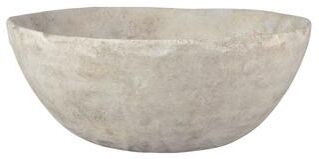
Atlas Lighting and Home Atlas Pantheon Aged Matte White Patina Bowl - 12.25 inch WideThe Pantheon Bowl is a large centerpiece display bowl with a matte aged white finish. The slightly irregular textured surface has patina, for a look that feels vintage and collected.84,00 $*Shipping: 0,00 $Secure redirect to the provider
-
NADAAL STUDIOS Cosette Tray, Iron, Extra-Long Low-Profile, Aged Iron Patina, Decorative Centerpiece, Iron GreyThe NADAAL STUDIOS Cosette Tray brings calm structure to dining tables, consoles, and kitchen islands with its extra-long, low-profile silhouette and classic form.359,00 $*Shipping: 0,00 $Secure redirect to the provider
-
'What goes with turquoise?'
Turquoise pairs well with a variety of colors, including white, black, gray, and navy blue. It also complements earthy tones such as brown, tan, and olive green. Additionally, turquoise can be paired with other bright and bold colors like coral, pink, and yellow for a vibrant and energetic look. When choosing complementary colors for turquoise, it's important to consider the overall mood and style you want to achieve. **
-
What does patina look like on Bankirai wood?
Patina on Bankirai wood appears as a natural greyish or silvery color that develops over time due to exposure to the elements. It can also have a slightly weathered or aged appearance, giving the wood a unique and rustic look. The patina on Bankirai wood adds character and charm to the material, making it a popular choice for outdoor furniture and decking. **
-
How can I clean my teapot completely of patina?
To completely clean your teapot of patina, you can try using a mixture of equal parts water and white vinegar. Fill the teapot with the solution and let it sit for a few hours or overnight. Then, scrub the inside of the teapot with a soft brush or sponge to remove the patina. Rinse thoroughly with water afterwards. If the patina is stubborn, you can also try using a paste made of baking soda and water to scrub the inside of the teapot. **
-
How can I completely clean my teapot of patina?
To completely clean your teapot of patina, you can try using a mixture of equal parts vinegar and water to soak the teapot for a few hours. After soaking, scrub the teapot with a soft sponge or brush to remove the patina. You can also try using a paste made of baking soda and water to scrub away any remaining patina. Rinse the teapot thoroughly with water after cleaning to ensure all residue is removed. **
* All prices are inclusive of VAT and, if applicable, plus shipping costs. The offer information is based on the details provided by the respective shop and is updated through automated processes. Real-time updates do not occur, so deviations can occur in individual cases. ** Note: Parts of this content were created by AI.