Buy massimodutti.eu ?
We are moving the project
massimodutti.eu .
Are you interested in purchasing the domain
massimodutti.eu ?
domain@kv-gmbh.de · 0541-91531010
Buy massimodutti.eu ?
Does Monstera deliciosa have small circular green spots?
No, Monstera deliciosa does not have small circular green spots. This plant is known for its large, glossy, green leaves that have unique splits and holes, giving it a distinctive and tropical appearance. The leaves of Monstera deliciosa do not typically have small circular spots, but rather a more uniform green color with occasional variations in texture and shape. **
What is the difference between Monstera deliciosa and Monstera pertusum?
Monstera deliciosa and Monstera pertusum are actually the same plant. Monstera pertusum is the former scientific name for this species, and Monstera deliciosa is the current accepted name. The plant is commonly known as the Swiss cheese plant due to the holes and splits in its leaves, and it is a popular houseplant known for its unique foliage. Therefore, there is no actual difference between Monstera deliciosa and Monstera pertusum, as they refer to the same plant. **


Similar search terms for Arthouse-Harlynn-Green-Monstera
Top-Angebote
Products related to Arthouse-Harlynn-Green-Monstera:
-
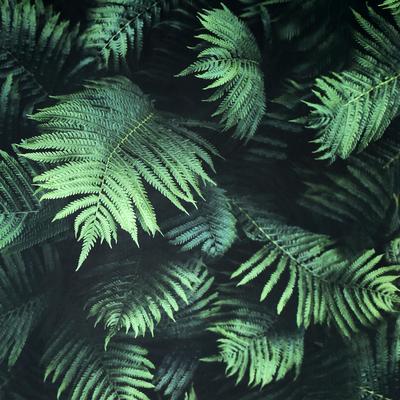
Arthouse Winona Green Ferns WallpaperThis photographic wallpaper adds a striking design to your walls and makes it almost look 3D, the deep green colours of the fern leaves look to be coming out of the paper. Wallpaper a room or a single wall and make your mark on your home.27,49 $*Shipping: 0,00 $Secure redirect to the provider
-
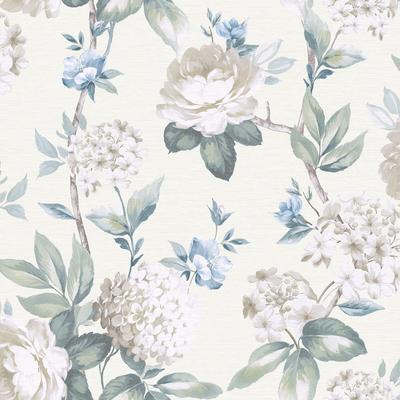
Arthouse Penelope Green Floral Damask WallpaperEnjoy modernized, Arts and Crafts era elegance with this gorgeous floral damask. Delicate buttery yellow blooms form a living canopy above the twining white stems that complete the damask forms, all offset against a pale sage backdrop.35,99 $*Shipping: 0,00 $Secure redirect to the provider


-
Is my Monstera sick?
To determine if your Monstera is sick, look for signs such as yellowing or browning leaves, wilting, or unusual spots on the leaves. Check the soil for overwatering or underwatering, as improper watering can lead to health issues for the plant. Additionally, inspect the plant for pests such as spider mites or mealybugs. If you notice any of these symptoms, take appropriate action such as adjusting the watering schedule, treating for pests, or repotting the plant if necessary. If you're unsure, consult with a plant expert for further guidance. **
-
What helped my Monstera?
Your Monstera likely benefited from a few key factors. Firstly, it likely thrived in a well-draining potting mix that provided good aeration for its roots. Additionally, it probably received the right amount of sunlight, as Monstera plants prefer bright, indirect light. Regular watering and occasional misting may have also contributed to its health, as Monstera plants enjoy consistently moist soil and high humidity. Overall, a combination of proper soil, light, and water likely helped your Monstera thrive. **
-
What does Monstera do?
Monstera is a plant that is known for its large, glossy, and unique leaves. It is often used as a decorative houseplant and is popular for its tropical and exotic appearance. Monstera is also known for its air-purifying properties, making it a great addition to indoor spaces. Additionally, Monstera can be propagated easily, making it a popular choice for plant enthusiasts looking to expand their collection. **
-
What is Monstera mold?
Monstera mold refers to the white, powdery substance that can develop on the leaves of Monstera plants. This mold is actually a type of fungus called powdery mildew, which thrives in warm, humid conditions. It can be harmful to the plant if left untreated, as it can inhibit photosynthesis and weaken the plant. To prevent Monstera mold, it's important to maintain good air circulation around the plant and avoid overwatering. If mold does develop, it can be treated with a fungicide or by gently wiping the leaves with a damp cloth. **


What does the Monstera have?
The Monstera plant has large, glossy green leaves that are uniquely shaped with natural holes or splits, giving it a distinctive tropical appearance. These holes are called fenestrations and are a characteristic feature of the Monstera plant. The plant's leaves can grow quite large, making it a popular choice for indoor decoration. Additionally, the Monstera is known for its easy care requirements, making it a favorite among plant enthusiasts. **
What does my Monstera need?
Your Monstera plant needs bright, indirect light to thrive. It also requires well-draining soil to prevent root rot and regular watering, allowing the top inch of soil to dry out between waterings. Additionally, it benefits from occasional misting to increase humidity levels, especially in drier environments. Finally, fertilize your Monstera every 4-6 weeks during the growing season to provide it with essential nutrients for healthy growth. **
Top-Angebote
Products related to Arthouse-Harlynn-Green-Monstera:
-
Arthouse Manami Green Wisteria WallpaperA simple yet stunning floral wallpaper, the wisteria flowers and leaves in soft green tones make for a easy living design. Whether your home is traditional or modern, this wallpaper will complement your space to perfection.25,49 $*Shipping: 0,00 $Secure redirect to the provider
-
Arthouse Winona Green Ferns WallpaperThis photographic wallpaper adds a striking design to your walls and makes it almost look 3D, the deep green colours of the fern leaves look to be coming out of the paper. Wallpaper a room or a single wall and make your mark on your home.27,49 $*Shipping: 0,00 $Secure redirect to the provider
-
Does Monstera deliciosa have small circular green spots?
No, Monstera deliciosa does not have small circular green spots. This plant is known for its large, glossy, green leaves that have unique splits and holes, giving it a distinctive and tropical appearance. The leaves of Monstera deliciosa do not typically have small circular spots, but rather a more uniform green color with occasional variations in texture and shape. **
-
What is the difference between Monstera deliciosa and Monstera pertusum?
Monstera deliciosa and Monstera pertusum are actually the same plant. Monstera pertusum is the former scientific name for this species, and Monstera deliciosa is the current accepted name. The plant is commonly known as the Swiss cheese plant due to the holes and splits in its leaves, and it is a popular houseplant known for its unique foliage. Therefore, there is no actual difference between Monstera deliciosa and Monstera pertusum, as they refer to the same plant. **
-
Is my Monstera sick?
To determine if your Monstera is sick, look for signs such as yellowing or browning leaves, wilting, or unusual spots on the leaves. Check the soil for overwatering or underwatering, as improper watering can lead to health issues for the plant. Additionally, inspect the plant for pests such as spider mites or mealybugs. If you notice any of these symptoms, take appropriate action such as adjusting the watering schedule, treating for pests, or repotting the plant if necessary. If you're unsure, consult with a plant expert for further guidance. **
-
What helped my Monstera?
Your Monstera likely benefited from a few key factors. Firstly, it likely thrived in a well-draining potting mix that provided good aeration for its roots. Additionally, it probably received the right amount of sunlight, as Monstera plants prefer bright, indirect light. Regular watering and occasional misting may have also contributed to its health, as Monstera plants enjoy consistently moist soil and high humidity. Overall, a combination of proper soil, light, and water likely helped your Monstera thrive. **
Similar search terms for Arthouse-Harlynn-Green-Monstera
-
Arthouse Penelope Green Floral Damask WallpaperEnjoy modernized, Arts and Crafts era elegance with this gorgeous floral damask. Delicate buttery yellow blooms form a living canopy above the twining white stems that complete the damask forms, all offset against a pale sage backdrop.35,99 $*Shipping: 0,00 $Secure redirect to the provider
-
Arthouse Lucene Green Spring Vines WallpaperEnjoy the fresh feel of spring with this botanical wallpaper. Newly unfurled leaves decorate spindly branches, the freshness of the design elevated by its soft watercoloring. Seen here in verdant hues offset against a soft blue backdrop.22,69 $*Shipping: 0,00 $Secure redirect to the provider
-
What does Monstera do?
Monstera is a plant that is known for its large, glossy, and unique leaves. It is often used as a decorative houseplant and is popular for its tropical and exotic appearance. Monstera is also known for its air-purifying properties, making it a great addition to indoor spaces. Additionally, Monstera can be propagated easily, making it a popular choice for plant enthusiasts looking to expand their collection. **
-
What is Monstera mold?
Monstera mold refers to the white, powdery substance that can develop on the leaves of Monstera plants. This mold is actually a type of fungus called powdery mildew, which thrives in warm, humid conditions. It can be harmful to the plant if left untreated, as it can inhibit photosynthesis and weaken the plant. To prevent Monstera mold, it's important to maintain good air circulation around the plant and avoid overwatering. If mold does develop, it can be treated with a fungicide or by gently wiping the leaves with a damp cloth. **
-
What does the Monstera have?
The Monstera plant has large, glossy green leaves that are uniquely shaped with natural holes or splits, giving it a distinctive tropical appearance. These holes are called fenestrations and are a characteristic feature of the Monstera plant. The plant's leaves can grow quite large, making it a popular choice for indoor decoration. Additionally, the Monstera is known for its easy care requirements, making it a favorite among plant enthusiasts. **
-
What does my Monstera need?
Your Monstera plant needs bright, indirect light to thrive. It also requires well-draining soil to prevent root rot and regular watering, allowing the top inch of soil to dry out between waterings. Additionally, it benefits from occasional misting to increase humidity levels, especially in drier environments. Finally, fertilize your Monstera every 4-6 weeks during the growing season to provide it with essential nutrients for healthy growth. **
* All prices are inclusive of VAT and, if applicable, plus shipping costs. The offer information is based on the details provided by the respective shop and is updated through automated processes. Real-time updates do not occur, so deviations can occur in individual cases. ** Note: Parts of this content were created by AI.