Buy massimodutti.eu ?
We are moving the project
massimodutti.eu .
Are you interested in purchasing the domain
massimodutti.eu ?
domain@kv-gmbh.de · 0541-91531010
Buy massimodutti.eu ?
How are eudaimonia and daimonion connected in Socrates' philosophy?
In Socrates' philosophy, eudaimonia refers to human flourishing or living a fulfilling life. Daimonion, on the other hand, refers to a divine sign or inner voice that guides individuals towards what is right and virtuous. Socrates believed that following one's daimonion would lead to eudaimonia, as it would guide individuals towards living a virtuous and fulfilling life. Therefore, the connection between eudaimonia and daimonion lies in the belief that following one's inner divine sign will ultimately lead to a flourishing and fulfilling life. **
What are the differences and similarities between eudaimonia and deontology?
Eudaimonia and deontology are both ethical theories, but they differ in their approach. Eudaimonia, often associated with Aristotle, focuses on the concept of human flourishing and living a virtuous life to achieve happiness. Deontology, on the other hand, is a moral theory that emphasizes the importance of following rules and duties to determine what is right or wrong, regardless of the consequences. Both theories aim to guide individuals in making ethical decisions, but eudaimonia is more focused on the overall well-being and character development of a person, while deontology is more concerned with the principles and duties that should be followed in moral decision-making. **


Similar search terms for Eudaimonia
Top-Angebote
Products related to Eudaimonia:
-
Silver Stone Store Women's Solid Tank Top, Sleeveless Square Collar Camison Verano, Edgy Clothes Accessories, Korean Fashion Clothing black mElevate your wardrobe with this stylish solid tank top for womena musthave piece for any fashionforward individual. Designed to add a bold and trendy touch to your collection, this edgy clothes accessory is ideal for summer and beyond. Whether...53,97 $*Shipping: 0,00 $Secure redirect to the provider
-
Georgia Boot Comfort Core 5 Orthotic Footbed - M Orange Footwear Accessories*Ergonomic Arch Support in the Georgia Boot Comfort Core 5 Footbed relieves foot fatigue and provides added comfort *Air flow channels provide cool circulation *Footbed can be trimmed *M fits U.S. Men's sizes 6 to 8-1/2 and Women's sizes 8 to 10-1/2...28,00 $*Shipping: 6,95 $Secure redirect to the provider
-
Retailers Go Vintage Striped Sleeveless Tees, Sweet Vest Women Clothing, Fashion Summer Camis lElevate your summer wardrobe with the Sweet Vest Women Clothing. This Vintage Striped Sleeveless Tee is the perfect balance of comfort and style, crafted to keep you cool during the warm months while exuding effortless fashion. Whether you're headed...83,97 $*Shipping: 0,00 $Secure redirect to the provider
-
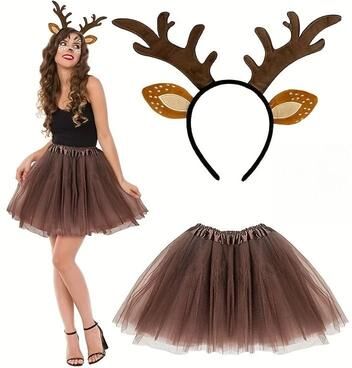
Uplifted Finds Taming Deer Head With Women's Clothing Accessories Set Christmas Deer Antler Animal Fancy Dress Up Set Taming Deer Head With Women's Clothing Accessories Set Christmas Deer Antler Animal Fancy Dress Up SetComplete your festive holiday look with this charming Christmas Deer Antler Set. Perfect for holiday parties, fancy dressup events, or seasonal photography, this women's animal clothing accessories set includes a detailed antler headband and a...52,97 $*Shipping: 0,00 $Secure redirect to the provider



-
How are reason, language, and eudaimonia connected according to Aristotle?
According to Aristotle, reason, language, and eudaimonia are interconnected in the pursuit of human flourishing. Reason allows humans to engage in rational thought and make choices that lead to a virtuous and fulfilling life. Language enables individuals to communicate and express their thoughts, allowing for the sharing of knowledge and the development of moral virtues. Eudaimonia, or human flourishing, is achieved through the cultivation of virtues and the use of reason to make choices that lead to a life of purpose and fulfillment. Therefore, reason and language are essential tools in the pursuit of eudaimonia, as they enable individuals to develop and express their moral virtues and make choices that lead to a flourishing life. **
-
How are eudaimonia and daimonion related in the philosophy of Socrates?
In the philosophy of Socrates, eudaimonia refers to human flourishing or living a life of virtue and excellence. Daimonion, on the other hand, refers to the inner voice or guiding spirit that Socrates believed was a divine sign guiding him towards moral decisions. Socrates believed that following the guidance of his daimonion would lead to eudaimonia, as it would help him make virtuous choices and live a life in accordance with reason and moral principles. Thus, the relationship between eudaimonia and daimonion in Socrates' philosophy is that following the inner voice of daimonion is essential for achieving eudaimonia or human flourishing. **
-
How are Eudaimonia and Daimonion related in the philosophy of Socrates?
In the philosophy of Socrates, Eudaimonia refers to human flourishing or living a life of fulfillment and happiness. Daimonion, on the other hand, refers to the inner voice or guiding spirit that Socrates believed each person possessed. Socrates believed that by following one's daimonion and living a virtuous life, one could achieve eudaimonia. Therefore, the relationship between Eudaimonia and Daimonion in Socrates' philosophy is that by listening to and following one's inner voice or daimonion, one can achieve a state of eudaimonia or true happiness and fulfillment. **
-
How can one best differentiate between happiness, bliss, and eudaimonia according to Aristotle?
According to Aristotle, happiness (eudaimonia) is the ultimate goal of human life and is achieved through the cultivation of virtue and the fulfillment of one's potential. Bliss, on the other hand, is a state of extreme joy or contentment, often temporary and dependent on external circumstances. To differentiate between the two, one must consider that happiness is a more enduring and holistic state, encompassing a sense of fulfillment and purpose, while bliss is a fleeting emotional experience. Ultimately, Aristotle's concept of eudaimonia emphasizes the importance of living a virtuous and meaningful life, which goes beyond mere pleasure or temporary joy. **


Why, according to Aristotle, is happiness (Eudaimonia) not equivalent to having good luck (Eutychia)?
According to Aristotle, happiness (Eudaimonia) is not equivalent to having good luck (Eutychia) because happiness is a state of being that is achieved through virtuous actions and living a life in accordance with reason and moral virtue. Good luck, on the other hand, is external and based on chance or circumstances beyond one's control. Aristotle believed that true happiness comes from within and is the result of living a life of virtue, rather than relying on external factors like luck. **
Why, according to Aristotle, is happiness (Eudaimonia) not to be equated with having good luck (Eutychia)?
According to Aristotle, happiness (Eudaimonia) is not to be equated with having good luck (Eutychia) because happiness is not dependent on external circumstances or luck. Instead, happiness is the result of living a virtuous and fulfilling life, which requires deliberate action and cultivation of moral character. Good luck, on the other hand, is based on external factors that are beyond our control, and therefore cannot be the ultimate source of true and lasting happiness. Aristotle believed that true happiness comes from within, through the practice of virtue and the development of a well-lived life. **
Top-Angebote
Products related to Eudaimonia:
-
Carhartt Insite Footbeds - Mens 13 Brown Footwear Accessories*Engineered footbed with Insite Technology to align foot in the most natural position *Pulsion Rebound Foam is engineered for anti-fatigue rebound action *Tetrapod anti-fatigue technology distributes foot compression in multiple directions *Import29,99 $*Shipping: 6,95 $Secure redirect to the provider
-
Shoekeeper Men's Shoe Stretcher & Spray - M Other Footwear Accessories*Expand your shoes to the perfect fit *Shoe stretch spray softens leather *Screw-driven shoe stretcher expands leather to eliminate pinching *Metal plugs included for spot stretching *Kit includes one stretcher and one bottle of 4 oz. spray *Sizes:...54,95 $*Shipping: 6,95 $Secure redirect to the provider
-
Silver Stone Store Women's Solid Tank Top, Sleeveless Square Collar Camison Verano, Edgy Clothes Accessories, Korean Fashion Clothing black mElevate your wardrobe with this stylish solid tank top for womena musthave piece for any fashionforward individual. Designed to add a bold and trendy touch to your collection, this edgy clothes accessory is ideal for summer and beyond. Whether...53,97 $*Shipping: 0,00 $Secure redirect to the provider
-
Georgia Boot Comfort Core 5 Orthotic Footbed - M Orange Footwear Accessories*Ergonomic Arch Support in the Georgia Boot Comfort Core 5 Footbed relieves foot fatigue and provides added comfort *Air flow channels provide cool circulation *Footbed can be trimmed *M fits U.S. Men's sizes 6 to 8-1/2 and Women's sizes 8 to 10-1/2...28,00 $*Shipping: 6,95 $Secure redirect to the provider
-
How are eudaimonia and daimonion connected in Socrates' philosophy?
In Socrates' philosophy, eudaimonia refers to human flourishing or living a fulfilling life. Daimonion, on the other hand, refers to a divine sign or inner voice that guides individuals towards what is right and virtuous. Socrates believed that following one's daimonion would lead to eudaimonia, as it would guide individuals towards living a virtuous and fulfilling life. Therefore, the connection between eudaimonia and daimonion lies in the belief that following one's inner divine sign will ultimately lead to a flourishing and fulfilling life. **
-
What are the differences and similarities between eudaimonia and deontology?
Eudaimonia and deontology are both ethical theories, but they differ in their approach. Eudaimonia, often associated with Aristotle, focuses on the concept of human flourishing and living a virtuous life to achieve happiness. Deontology, on the other hand, is a moral theory that emphasizes the importance of following rules and duties to determine what is right or wrong, regardless of the consequences. Both theories aim to guide individuals in making ethical decisions, but eudaimonia is more focused on the overall well-being and character development of a person, while deontology is more concerned with the principles and duties that should be followed in moral decision-making. **
-
How are reason, language, and eudaimonia connected according to Aristotle?
According to Aristotle, reason, language, and eudaimonia are interconnected in the pursuit of human flourishing. Reason allows humans to engage in rational thought and make choices that lead to a virtuous and fulfilling life. Language enables individuals to communicate and express their thoughts, allowing for the sharing of knowledge and the development of moral virtues. Eudaimonia, or human flourishing, is achieved through the cultivation of virtues and the use of reason to make choices that lead to a life of purpose and fulfillment. Therefore, reason and language are essential tools in the pursuit of eudaimonia, as they enable individuals to develop and express their moral virtues and make choices that lead to a flourishing life. **
-
How are eudaimonia and daimonion related in the philosophy of Socrates?
In the philosophy of Socrates, eudaimonia refers to human flourishing or living a life of virtue and excellence. Daimonion, on the other hand, refers to the inner voice or guiding spirit that Socrates believed was a divine sign guiding him towards moral decisions. Socrates believed that following the guidance of his daimonion would lead to eudaimonia, as it would help him make virtuous choices and live a life in accordance with reason and moral principles. Thus, the relationship between eudaimonia and daimonion in Socrates' philosophy is that following the inner voice of daimonion is essential for achieving eudaimonia or human flourishing. **
Similar search terms for Eudaimonia
-
Retailers Go Vintage Striped Sleeveless Tees, Sweet Vest Women Clothing, Fashion Summer Camis lElevate your summer wardrobe with the Sweet Vest Women Clothing. This Vintage Striped Sleeveless Tee is the perfect balance of comfort and style, crafted to keep you cool during the warm months while exuding effortless fashion. Whether you're headed...83,97 $*Shipping: 0,00 $Secure redirect to the provider
-
Uplifted Finds Taming Deer Head With Women's Clothing Accessories Set Christmas Deer Antler Animal Fancy Dress Up Set Taming Deer Head With Women's Clothing Accessories Set Christmas Deer Antler Animal Fancy Dress Up SetComplete your festive holiday look with this charming Christmas Deer Antler Set. Perfect for holiday parties, fancy dressup events, or seasonal photography, this women's animal clothing accessories set includes a detailed antler headband and a...52,97 $*Shipping: 0,00 $Secure redirect to the provider
-
Carhartt Insite Footbeds - Mens 14 Brown Footwear Accessories*Engineered footbed with Insite Technology to align foot in the most natural position *Pulsion Rebound Foam is engineered for anti-fatigue rebound action *Tetrapod anti-fatigue technology distributes foot compression in multiple directions *Import29,99 $*Shipping: 6,95 $Secure redirect to the provider
-
Silver Stone Store Women's Solid Tank Top, Sleeveless Square Collar Camison Verano, Edgy Clothes Accessories, Korean Fashion Clothing black lElevate your wardrobe with this stylish solid tank top for womena musthave piece for any fashionforward individual. Designed to add a bold and trendy touch to your collection, this edgy clothes accessory is ideal for summer and beyond. Whether...53,97 $*Shipping: 0,00 $Secure redirect to the provider
-
How are Eudaimonia and Daimonion related in the philosophy of Socrates?
In the philosophy of Socrates, Eudaimonia refers to human flourishing or living a life of fulfillment and happiness. Daimonion, on the other hand, refers to the inner voice or guiding spirit that Socrates believed each person possessed. Socrates believed that by following one's daimonion and living a virtuous life, one could achieve eudaimonia. Therefore, the relationship between Eudaimonia and Daimonion in Socrates' philosophy is that by listening to and following one's inner voice or daimonion, one can achieve a state of eudaimonia or true happiness and fulfillment. **
-
How can one best differentiate between happiness, bliss, and eudaimonia according to Aristotle?
According to Aristotle, happiness (eudaimonia) is the ultimate goal of human life and is achieved through the cultivation of virtue and the fulfillment of one's potential. Bliss, on the other hand, is a state of extreme joy or contentment, often temporary and dependent on external circumstances. To differentiate between the two, one must consider that happiness is a more enduring and holistic state, encompassing a sense of fulfillment and purpose, while bliss is a fleeting emotional experience. Ultimately, Aristotle's concept of eudaimonia emphasizes the importance of living a virtuous and meaningful life, which goes beyond mere pleasure or temporary joy. **
-
Why, according to Aristotle, is happiness (Eudaimonia) not equivalent to having good luck (Eutychia)?
According to Aristotle, happiness (Eudaimonia) is not equivalent to having good luck (Eutychia) because happiness is a state of being that is achieved through virtuous actions and living a life in accordance with reason and moral virtue. Good luck, on the other hand, is external and based on chance or circumstances beyond one's control. Aristotle believed that true happiness comes from within and is the result of living a life of virtue, rather than relying on external factors like luck. **
-
Why, according to Aristotle, is happiness (Eudaimonia) not to be equated with having good luck (Eutychia)?
According to Aristotle, happiness (Eudaimonia) is not to be equated with having good luck (Eutychia) because happiness is not dependent on external circumstances or luck. Instead, happiness is the result of living a virtuous and fulfilling life, which requires deliberate action and cultivation of moral character. Good luck, on the other hand, is based on external factors that are beyond our control, and therefore cannot be the ultimate source of true and lasting happiness. Aristotle believed that true happiness comes from within, through the practice of virtue and the development of a well-lived life. **
* All prices are inclusive of VAT and, if applicable, plus shipping costs. The offer information is based on the details provided by the respective shop and is updated through automated processes. Real-time updates do not occur, so deviations can occur in individual cases. ** Note: Parts of this content were created by AI.