Buy massimodutti.eu ?
We are moving the project
massimodutti.eu .
Are you interested in purchasing the domain
massimodutti.eu ?
domain@kv-gmbh.de · 0541-91531010
Buy massimodutti.eu ?
Are oleander seeds toxic?
Yes, oleander seeds are highly toxic if ingested. They contain cardiac glycosides that can cause symptoms such as vomiting, diarrhea, dizziness, and even heart problems. Ingesting even a small amount of oleander seeds can be fatal, so it is important to keep them away from children and pets. If someone ingests oleander seeds, it is important to seek medical help immediately. **
Are oleander seeds poisonous?
Yes, oleander seeds are highly toxic and can be fatal if ingested. They contain a potent mix of cardiac glycosides that can cause symptoms such as nausea, vomiting, abdominal pain, irregular heart rate, and even death. It is important to keep oleander plants away from children and pets to prevent accidental ingestion. **

Similar search terms for Oleander
Top-Angebote
Products related to Oleander:




-
What does my oleander have?
Your oleander plant has beautiful, colorful flowers that can range from white to pink to red. It also has long, narrow leaves that are dark green in color. Additionally, oleander plants contain toxic compounds that can be harmful if ingested, so it's important to handle them with care. **
-
How do you overwinter oleander?
To overwinter oleander, you can bring the plant indoors before the first frost and place it in a cool, bright location such as a greenhouse or a sunny window. Water the plant sparingly during the winter months, allowing the soil to dry out slightly between waterings. You can also prune the plant to maintain its shape and size. In the spring, once the danger of frost has passed, you can gradually acclimate the oleander to outdoor conditions and then return it to its outdoor location. **
-
Is an oleander a xerophyte?
Yes, oleander is considered a xerophyte. Xerophytes are plants that have adapted to survive in dry, arid conditions, and oleander is well-suited to thrive in such environments. It has developed several adaptations to conserve water, such as thick, waxy leaves and deep root systems. These adaptations allow oleander to thrive in hot, dry climates with minimal water availability. **
-
What's wrong with my oleander?
Oleander plants can suffer from a variety of issues including pests, diseases, and environmental stress. Common problems with oleander include yellowing leaves, leaf spots, and wilting. These issues can be caused by overwatering, poor drainage, nutrient deficiencies, or pests such as aphids or scale insects. It's important to carefully inspect the plant for any signs of pests or diseases and address any environmental issues such as watering and fertilization to help improve the health of the oleander. **

How do you cultivate oleander?
Oleander can be cultivated by planting it in well-drained soil and a location that receives full sunlight. It is important to water the plant regularly, especially during dry periods, but be careful not to overwater as oleander is drought-tolerant. Pruning oleander in the spring can help promote new growth and maintain its shape. Additionally, fertilizing the plant with a balanced fertilizer in the spring and summer can help promote healthy growth and flowering. It is important to note that all parts of the oleander plant are toxic if ingested, so caution should be taken when cultivating and handling it. **
What does "Oleander seeds" refer to?
"Oleander seeds" refer to the seeds of the oleander plant, which is a popular ornamental shrub known for its attractive flowers. These seeds are small and brown in color, and they contain toxic compounds that can be harmful if ingested. It is important to handle oleander seeds with care and keep them away from children and pets. **
Top-Angebote
Products related to Oleander:
-
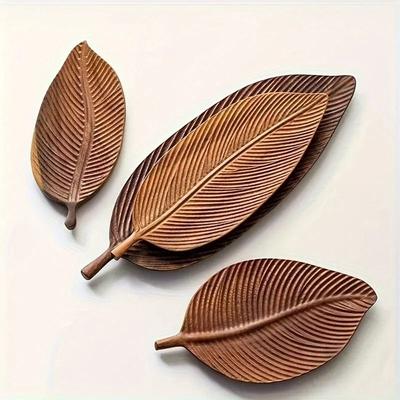
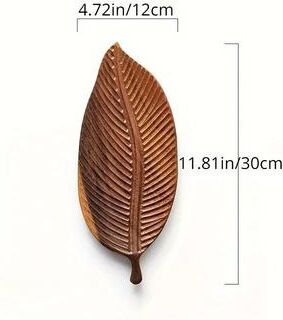
Uplift Essentials Leaf Shaped Oleander Wood Tray With Handle For Breakfast Desserts And Snacks burgundyBring rustic charm and natural beauty to your home with this Leaf Shaped Oleander Wood Tray. Designed with a gracefully curved silhouette and a convenient handle, this handcrafted tray combines antique aesthetics with practical elegance, perfect for...65,97 $*Shipping: 0,00 $Secure redirect to the provider
-
Are oleander seeds toxic?
Yes, oleander seeds are highly toxic if ingested. They contain cardiac glycosides that can cause symptoms such as vomiting, diarrhea, dizziness, and even heart problems. Ingesting even a small amount of oleander seeds can be fatal, so it is important to keep them away from children and pets. If someone ingests oleander seeds, it is important to seek medical help immediately. **
-
Are oleander seeds poisonous?
Yes, oleander seeds are highly toxic and can be fatal if ingested. They contain a potent mix of cardiac glycosides that can cause symptoms such as nausea, vomiting, abdominal pain, irregular heart rate, and even death. It is important to keep oleander plants away from children and pets to prevent accidental ingestion. **
-
What does my oleander have?
Your oleander plant has beautiful, colorful flowers that can range from white to pink to red. It also has long, narrow leaves that are dark green in color. Additionally, oleander plants contain toxic compounds that can be harmful if ingested, so it's important to handle them with care. **
-
How do you overwinter oleander?
To overwinter oleander, you can bring the plant indoors before the first frost and place it in a cool, bright location such as a greenhouse or a sunny window. Water the plant sparingly during the winter months, allowing the soil to dry out slightly between waterings. You can also prune the plant to maintain its shape and size. In the spring, once the danger of frost has passed, you can gradually acclimate the oleander to outdoor conditions and then return it to its outdoor location. **
Similar search terms for Oleander
-
Uplift Essentials Leaf Shaped Oleander Wood Tray With Handle For Breakfast Desserts And Snacks brownBring rustic charm and natural beauty to your home with this Leaf Shaped Oleander Wood Tray. Designed with a gracefully curved silhouette and a convenient handle, this handcrafted tray combines antique aesthetics with practical elegance, perfect for...65,97 $*Shipping: 0,00 $Secure redirect to the provider
-
Uplift Essentials Leaf Shaped Oleander Wood Tray With Handle For Breakfast Desserts And Snacks chocolateBring rustic charm and natural beauty to your home with this Leaf Shaped Oleander Wood Tray. Designed with a gracefully curved silhouette and a convenient handle, this handcrafted tray combines antique aesthetics with practical elegance, perfect for...65,97 $*Shipping: 0,00 $Secure redirect to the provider
-
Is an oleander a xerophyte?
Yes, oleander is considered a xerophyte. Xerophytes are plants that have adapted to survive in dry, arid conditions, and oleander is well-suited to thrive in such environments. It has developed several adaptations to conserve water, such as thick, waxy leaves and deep root systems. These adaptations allow oleander to thrive in hot, dry climates with minimal water availability. **
-
What's wrong with my oleander?
Oleander plants can suffer from a variety of issues including pests, diseases, and environmental stress. Common problems with oleander include yellowing leaves, leaf spots, and wilting. These issues can be caused by overwatering, poor drainage, nutrient deficiencies, or pests such as aphids or scale insects. It's important to carefully inspect the plant for any signs of pests or diseases and address any environmental issues such as watering and fertilization to help improve the health of the oleander. **
-
How do you cultivate oleander?
Oleander can be cultivated by planting it in well-drained soil and a location that receives full sunlight. It is important to water the plant regularly, especially during dry periods, but be careful not to overwater as oleander is drought-tolerant. Pruning oleander in the spring can help promote new growth and maintain its shape. Additionally, fertilizing the plant with a balanced fertilizer in the spring and summer can help promote healthy growth and flowering. It is important to note that all parts of the oleander plant are toxic if ingested, so caution should be taken when cultivating and handling it. **
-
What does "Oleander seeds" refer to?
"Oleander seeds" refer to the seeds of the oleander plant, which is a popular ornamental shrub known for its attractive flowers. These seeds are small and brown in color, and they contain toxic compounds that can be harmful if ingested. It is important to handle oleander seeds with care and keep them away from children and pets. **
* All prices are inclusive of VAT and, if applicable, plus shipping costs. The offer information is based on the details provided by the respective shop and is updated through automated processes. Real-time updates do not occur, so deviations can occur in individual cases. ** Note: Parts of this content were created by AI.