Buy massimodutti.eu ?
We are moving the project
massimodutti.eu .
Are you interested in purchasing the domain
massimodutti.eu ?
domain@kv-gmbh.de · 0541-91531010
Buy massimodutti.eu ?
Do people weave tarantulas?
No, people do not weave tarantulas. Tarantulas are living creatures, not materials that can be woven. However, some cultures may use the silk produced by tarantulas for various purposes, such as making clothing or other items. But the act of weaving itself does not involve tarantulas. **
How can you weave wicker?
To weave wicker, you will need to start by soaking the wicker material in water to make it more pliable. Next, you can begin by creating a base or frame for your wicker project using thicker pieces of wicker. Then, you can weave thinner strands of wicker in an over-under pattern to create the desired design. Finally, you can secure the ends of the wicker strands by tucking them under or using a small amount of glue. With practice and patience, you can create beautiful wicker pieces through weaving. **

Similar search terms for Saro-Lifestyle-Ethnic-Weave
Top-Angebote
Products related to Saro-Lifestyle-Ethnic-Weave:
-
Saro Lifestyle Warm Waffle Weave ThrowWrap yourself in comfort with the Warm Waffle Weave Throw. Perfect for cozy nights or as a stylish accent piece, it combines warmth with a chic design. Beautifully crafted to complement a variety of styles and settings, it's a true standout.129,59 $*Shipping: 0,00 $Secure redirect to the provider
-
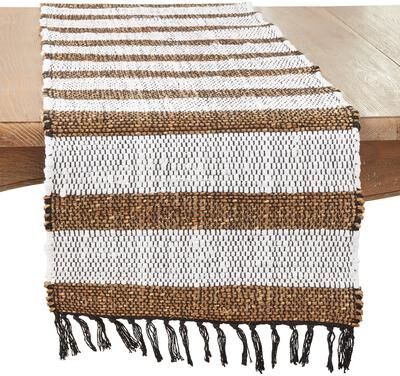
Saro Lifestyle Table Runner With Stripe Weave DesignCreate a relaxed table setting with this textured Woven Striped Table Runner. It helps you set a lovely table, whether on its own or layered with other textures and patterns. The runner brings rustic beauty to your dining décor.38,21 $*Shipping: 0,00 $Secure redirect to the provider



-
Can one weave a scarf?
Yes, one can weave a scarf. Weaving a scarf involves using a loom to interlace yarn or thread to create a fabric. There are many different weaving techniques and patterns that can be used to create unique and beautiful scarves. With the right materials and some practice, anyone can learn to weave a scarf. **
-
Can tarantulas weave a spider web?
No, tarantulas cannot weave a traditional spider web like other species of spiders. They do not have the ability to produce silk from their spinnerets in the same way that other spiders do. Instead, tarantulas use their silk for lining their burrows, creating egg sacs, and sometimes for making trip wires to detect prey. Their silk is not used for constructing intricate webs for catching prey like other spiders. **
-
How do you weave a net?
To weave a net, you first need to gather the materials such as string, rope, or twine. Then, you create a series of loops or knots to form the mesh pattern of the net. This can be done by using a weaving technique such as the over-and-under method. Finally, continue weaving the loops or knots until you reach the desired size of the net. **
-
How can one weave with rattan?
To weave with rattan, you will need to first soak the rattan in water to make it more flexible and easier to work with. Then, you can start by creating a base structure using thicker pieces of rattan and securing them together. After the base is set, you can weave thinner rattan strands in and out of the base structure to create the desired pattern or design. It's important to keep the rattan moist while weaving to prevent it from drying out and becoming brittle. Once the weaving is complete, you can let the rattan dry and set to maintain its shape. **


How do you weave a basket?
To weave a basket, you first need to gather the materials such as reeds, vines, or other flexible plant fibers. Next, you start by creating a base by weaving the materials in a circular pattern. Then, you continue weaving the sides of the basket by adding more rows of weaving, making sure to keep the tension consistent. Finally, you can finish the basket by adding a rim or handle if desired. With practice and patience, you can create beautiful and functional baskets through the art of weaving. **
How do you weave a perm?
To weave a perm, you first need to section the hair into small, even sections. Then, you wrap each section of hair around a perm rod, making sure to keep the tension even to create a uniform curl pattern. After all the sections are wrapped, you apply the perm solution to the hair and let it process for the recommended time. Finally, you rinse out the perm solution, neutralize the hair, and carefully remove the perm rods to reveal the newly-permed curls. **
Top-Angebote
Products related to Saro-Lifestyle-Ethnic-Weave:
-
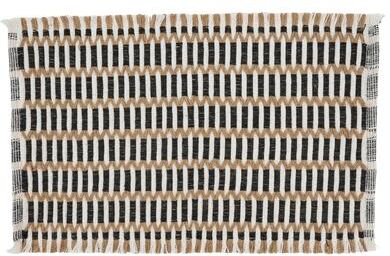
Saro Lifestyle "Ethnic Weave Kilim Table Runner - 16""x72"""Enrich your dining ambiance with this Ethnic Weave Kilim Table Runner. Crafted with intricate patterns and vibrant colors inspired by traditional weaving techniques, it brings a touch of cultural richness to your table setting.49,19 $*Shipping: 0,00 $Secure redirect to the provider
-
Saro Lifestyle "Ethnic-Inspired Striped Chindi Table Runner - 16""x72"""Introducing the Striped Chindi Table Runner, a blend of rustic charm and vibrant style. The striped design adds a pop of personality to your table setting. Crafted with eco-friendly chindi fabric, this runner showcases unique texture and character.28,49 $*Shipping: 0,00 $Secure redirect to the provider
-
Saro Lifestyle Warm Waffle Weave ThrowWrap yourself in comfort with the Warm Waffle Weave Throw. Perfect for cozy nights or as a stylish accent piece, it combines warmth with a chic design. Beautifully crafted to complement a variety of styles and settings, it's a true standout.129,59 $*Shipping: 0,00 $Secure redirect to the provider
-
Do people weave tarantulas?
No, people do not weave tarantulas. Tarantulas are living creatures, not materials that can be woven. However, some cultures may use the silk produced by tarantulas for various purposes, such as making clothing or other items. But the act of weaving itself does not involve tarantulas. **
-
How can you weave wicker?
To weave wicker, you will need to start by soaking the wicker material in water to make it more pliable. Next, you can begin by creating a base or frame for your wicker project using thicker pieces of wicker. Then, you can weave thinner strands of wicker in an over-under pattern to create the desired design. Finally, you can secure the ends of the wicker strands by tucking them under or using a small amount of glue. With practice and patience, you can create beautiful wicker pieces through weaving. **
-
Can one weave a scarf?
Yes, one can weave a scarf. Weaving a scarf involves using a loom to interlace yarn or thread to create a fabric. There are many different weaving techniques and patterns that can be used to create unique and beautiful scarves. With the right materials and some practice, anyone can learn to weave a scarf. **
-
Can tarantulas weave a spider web?
No, tarantulas cannot weave a traditional spider web like other species of spiders. They do not have the ability to produce silk from their spinnerets in the same way that other spiders do. Instead, tarantulas use their silk for lining their burrows, creating egg sacs, and sometimes for making trip wires to detect prey. Their silk is not used for constructing intricate webs for catching prey like other spiders. **
Similar search terms for Saro-Lifestyle-Ethnic-Weave
-
Saro Lifestyle Table Runner With Stripe Weave DesignCreate a relaxed table setting with this textured Woven Striped Table Runner. It helps you set a lovely table, whether on its own or layered with other textures and patterns. The runner brings rustic beauty to your dining décor.38,21 $*Shipping: 0,00 $Secure redirect to the provider
-
Saro Lifestyle Waffle Weave Table Runner With Fringe DesignNo matter the occasion, you'll have the perfect background for your table décor with this lovely Fringe Waffle Weave Table Runner. Made with 100% cotton, it fully protects your table against scratches and spills.23,48 $*Shipping: 0,00 $Secure redirect to the provider
-
Saro Lifestyle Warm Waffle Weave ThrowWrap yourself in comfort with the Warm Waffle Weave Throw. Perfect for cozy nights or as a stylish accent piece, it combines warmth with a chic design. Beautifully crafted to complement a variety of styles and settings, it's a true standout.161,49 $*Shipping: 0,00 $Secure redirect to the provider
-
How do you weave a net?
To weave a net, you first need to gather the materials such as string, rope, or twine. Then, you create a series of loops or knots to form the mesh pattern of the net. This can be done by using a weaving technique such as the over-and-under method. Finally, continue weaving the loops or knots until you reach the desired size of the net. **
-
How can one weave with rattan?
To weave with rattan, you will need to first soak the rattan in water to make it more flexible and easier to work with. Then, you can start by creating a base structure using thicker pieces of rattan and securing them together. After the base is set, you can weave thinner rattan strands in and out of the base structure to create the desired pattern or design. It's important to keep the rattan moist while weaving to prevent it from drying out and becoming brittle. Once the weaving is complete, you can let the rattan dry and set to maintain its shape. **
-
How do you weave a basket?
To weave a basket, you first need to gather the materials such as reeds, vines, or other flexible plant fibers. Next, you start by creating a base by weaving the materials in a circular pattern. Then, you continue weaving the sides of the basket by adding more rows of weaving, making sure to keep the tension consistent. Finally, you can finish the basket by adding a rim or handle if desired. With practice and patience, you can create beautiful and functional baskets through the art of weaving. **
-
How do you weave a perm?
To weave a perm, you first need to section the hair into small, even sections. Then, you wrap each section of hair around a perm rod, making sure to keep the tension even to create a uniform curl pattern. After all the sections are wrapped, you apply the perm solution to the hair and let it process for the recommended time. Finally, you rinse out the perm solution, neutralize the hair, and carefully remove the perm rods to reveal the newly-permed curls. **
* All prices are inclusive of VAT and, if applicable, plus shipping costs. The offer information is based on the details provided by the respective shop and is updated through automated processes. Real-time updates do not occur, so deviations can occur in individual cases. ** Note: Parts of this content were created by AI.