Buy massimodutti.eu ?
We are moving the project
massimodutti.eu .
Are you interested in purchasing the domain
massimodutti.eu ?
domain@kv-gmbh.de · 0541-91531010
Buy massimodutti.eu ?
How can I connect USB accessories to my iPhone?
You can connect USB accessories to your iPhone using a Lightning to USB adapter. This adapter allows you to plug in a USB accessory, such as a camera, keyboard, or audio interface, into your iPhone. Simply plug the USB accessory into the adapter, and then connect the adapter to your iPhone's Lightning port. This will allow you to use the USB accessory with your iPhone. Keep in mind that not all USB accessories may be compatible with the iPhone, so it's important to check for compatibility before purchasing an adapter. **
Is the USB cable a USB cable?
Yes, the USB cable is a USB cable. It is a type of cable that is designed to connect devices such as computers, smartphones, and other peripherals to each other for data transfer and power supply. The USB cable has become a standard for connecting and charging electronic devices, and it is easily recognizable by its distinctive rectangular connector. **

Similar search terms for USB-A
Top-Angebote
Products related to USB-A:
-
Hama USB 2.0 Cable, 1.8m USB cable USB A Black- To connect digital cameras and external USB devices- Data transfer rate: max. 480 Mbit/s- Downwards compatible, this means: also suitable for USB 1.1 systems- Ultra tight shielding thanks to tinned copper strand, therefore 100% protection against disturbing radiation/emissions!11,99 £*Shipping: 0,00 £Secure redirect to the provider


-
Which is better, USB-C or USB-A?
USB-C is generally considered better than USB-A because it offers faster data transfer speeds, higher power delivery, and a reversible connector that can be plugged in either way. USB-C is also more versatile, as it can be used for a wide range of devices including laptops, smartphones, and tablets. However, USB-A is still widely used and compatible with many devices, so its convenience and familiarity may make it a better choice in certain situations. Ultimately, the choice between USB-C and USB-A depends on the specific needs and compatibility of the devices being used. **
-
Are all USB-C and USB-A cables shielded?
Not all USB-C and USB-A cables are shielded. Shielding is a protective layer that helps reduce electromagnetic interference and improve signal quality. While many higher-quality cables are shielded, cheaper or lower-quality cables may not have this feature. It is important to check the specifications of the cable or purchase from a reputable manufacturer to ensure that the cable is shielded if this is a requirement for your specific use case. **
-
What is a USB-SS? Is it USB 3.0?
A USB-SS (USB SuperSpeed) is a term used to refer to USB 3.0 technology. USB-SS offers faster data transfer speeds compared to its predecessors, with a maximum transfer rate of 5 Gbps. It also provides improved power management and increased power delivery, making it suitable for a wide range of devices. Overall, USB-SS (USB 3.0) is a significant advancement in USB technology, offering faster and more efficient data transfer capabilities. **
-
Is USB 10 a new series of USB ports?
No, USB 10 is not a new series of USB ports. As of now, the latest version of USB is USB 3.2, which offers faster data transfer speeds and improved power delivery. The USB Implementers Forum (USB-IF) has not announced any plans for a USB 10 series at this time. It's important to note that the USB specifications are constantly evolving, so it's possible that a USB 10 series could be developed in the future, but as of now, it does not exist. **


Can a USB 2.0 cable deliver USB 3.0 power?
No, a USB 2.0 cable cannot deliver USB 3.0 power. USB 3.0 cables are designed with additional pins and wires to support the higher power delivery capabilities of USB 3.0 devices. Using a USB 2.0 cable with a USB 3.0 device may result in slower charging or data transfer speeds, and may not provide enough power for the device to function properly. It is important to use the correct cable for the specific USB standard to ensure optimal performance. **
Can you connect a USB 3.0 to a USB 2.0 laptop?
Yes, you can connect a USB 3.0 device to a USB 2.0 laptop. USB 3.0 devices are backwards compatible with USB 2.0 ports, meaning they can still be connected and used, but at the slower USB 2.0 speeds. So while you may not get the full speed benefits of the USB 3.0 device, it will still work with a USB 2.0 laptop. **
Top-Angebote
Products related to USB-A:
-
Hama USB 2.0 Cable, 1.8m USB cable USB A Black- To connect digital cameras and external USB devices- Data transfer rate: max. 480 Mbit/s- Downwards compatible, this means: also suitable for USB 1.1 systems- Ultra tight shielding thanks to tinned copper strand, therefore 100% protection against disturbing radiation/emissions!11,99 £*Shipping: 0,00 £Secure redirect to the provider
-
How can I connect USB accessories to my iPhone?
You can connect USB accessories to your iPhone using a Lightning to USB adapter. This adapter allows you to plug in a USB accessory, such as a camera, keyboard, or audio interface, into your iPhone. Simply plug the USB accessory into the adapter, and then connect the adapter to your iPhone's Lightning port. This will allow you to use the USB accessory with your iPhone. Keep in mind that not all USB accessories may be compatible with the iPhone, so it's important to check for compatibility before purchasing an adapter. **
-
Is the USB cable a USB cable?
Yes, the USB cable is a USB cable. It is a type of cable that is designed to connect devices such as computers, smartphones, and other peripherals to each other for data transfer and power supply. The USB cable has become a standard for connecting and charging electronic devices, and it is easily recognizable by its distinctive rectangular connector. **
-
Which is better, USB-C or USB-A?
USB-C is generally considered better than USB-A because it offers faster data transfer speeds, higher power delivery, and a reversible connector that can be plugged in either way. USB-C is also more versatile, as it can be used for a wide range of devices including laptops, smartphones, and tablets. However, USB-A is still widely used and compatible with many devices, so its convenience and familiarity may make it a better choice in certain situations. Ultimately, the choice between USB-C and USB-A depends on the specific needs and compatibility of the devices being used. **
-
Are all USB-C and USB-A cables shielded?
Not all USB-C and USB-A cables are shielded. Shielding is a protective layer that helps reduce electromagnetic interference and improve signal quality. While many higher-quality cables are shielded, cheaper or lower-quality cables may not have this feature. It is important to check the specifications of the cable or purchase from a reputable manufacturer to ensure that the cable is shielded if this is a requirement for your specific use case. **
Similar search terms for USB-A
-
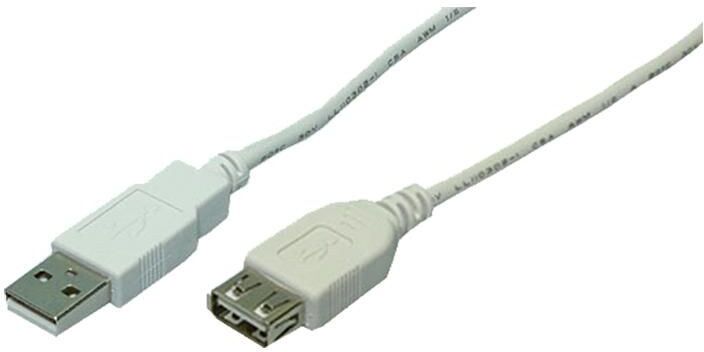
StarTech USB Extension Cable USB Type A BlackThe USBEXTAA10BK 10-foot USB Extension Cable (A-A) features 1 USB A male connector and 1 USB A female connector, extending the connection between USB 2.0 devices by up to 10 feet - an ideal solution for better placement of peripheral devices, or adding flexibility to existing USB ports. This high quality USB extension cable is fully rated for use with USB 1.1 and USB 2.0 devices. StarTech.com 10 ft Black USB 2.0 Extension Cable A to A - 10ft USB 2.0 Extension Cable - 10ft USB male female Cable (13,99 £*Shipping: 0,00 £Secure redirect to the provider
-
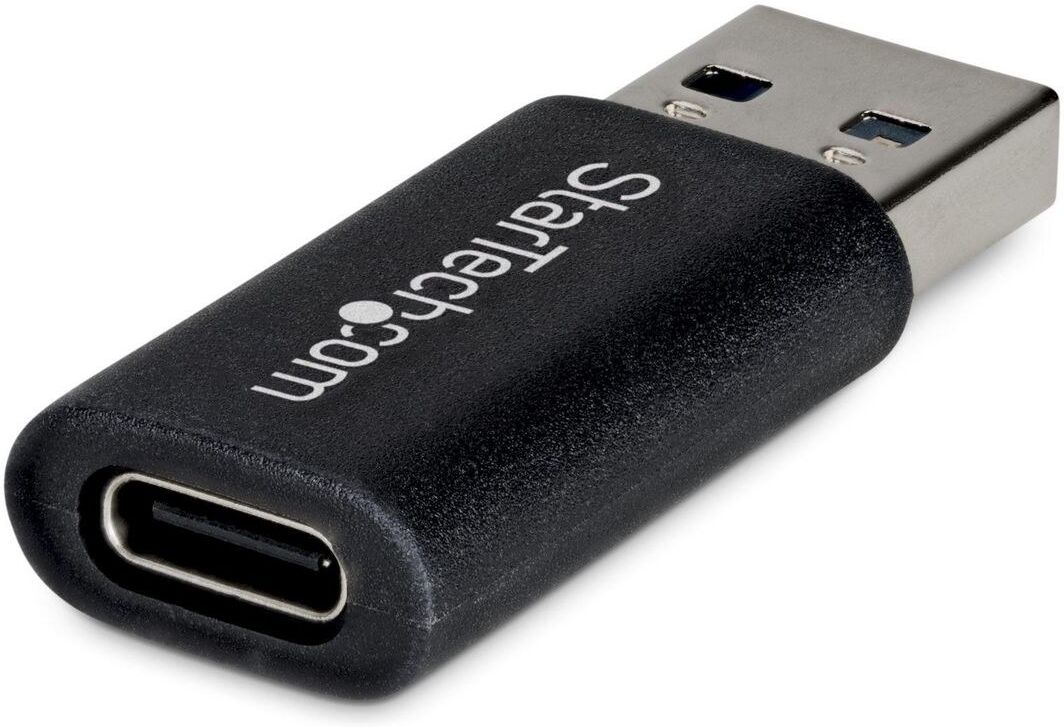
StarTech USB-C to USB-A Adapter BlackUSB 3.1 Gen 1 adapter enabling connection of USB-A devices to USB-C ports with 5Gbps transfer speeds. Features nickel-plated connectors for reliable connectivity and includes a 2-year manufacturer warranty.16,99 £*Shipping: 0,00 £Secure redirect to the provider
-
What is a USB-SS? Is it USB 3.0?
A USB-SS (USB SuperSpeed) is a term used to refer to USB 3.0 technology. USB-SS offers faster data transfer speeds compared to its predecessors, with a maximum transfer rate of 5 Gbps. It also provides improved power management and increased power delivery, making it suitable for a wide range of devices. Overall, USB-SS (USB 3.0) is a significant advancement in USB technology, offering faster and more efficient data transfer capabilities. **
-
Is USB 10 a new series of USB ports?
No, USB 10 is not a new series of USB ports. As of now, the latest version of USB is USB 3.2, which offers faster data transfer speeds and improved power delivery. The USB Implementers Forum (USB-IF) has not announced any plans for a USB 10 series at this time. It's important to note that the USB specifications are constantly evolving, so it's possible that a USB 10 series could be developed in the future, but as of now, it does not exist. **
-
Can a USB 2.0 cable deliver USB 3.0 power?
No, a USB 2.0 cable cannot deliver USB 3.0 power. USB 3.0 cables are designed with additional pins and wires to support the higher power delivery capabilities of USB 3.0 devices. Using a USB 2.0 cable with a USB 3.0 device may result in slower charging or data transfer speeds, and may not provide enough power for the device to function properly. It is important to use the correct cable for the specific USB standard to ensure optimal performance. **
-
Can you connect a USB 3.0 to a USB 2.0 laptop?
Yes, you can connect a USB 3.0 device to a USB 2.0 laptop. USB 3.0 devices are backwards compatible with USB 2.0 ports, meaning they can still be connected and used, but at the slower USB 2.0 speeds. So while you may not get the full speed benefits of the USB 3.0 device, it will still work with a USB 2.0 laptop. **
* All prices are inclusive of VAT and, if applicable, plus shipping costs. The offer information is based on the details provided by the respective shop and is updated through automated processes. Real-time updates do not occur, so deviations can occur in individual cases. ** Note: Parts of this content were created by AI.